
Well-Aging in 2026: Why a New Generation Is Opting Out of the “Fix It” Approach
How advanced breast revision surgery restores natural cleavage, implant position, and long-term support.
Schedule a ConsultationAn Entire Generation Is Opting Out of the “Fix It” Framework
For decades, aesthetic medicine was largely framed around correction.
Patients often waited until visible aging had already become pronounced—deep wrinkles, loose skin, jowls, hollowing, sun damage, heavy eyelids—and then sought a procedure to “fix” the problem.
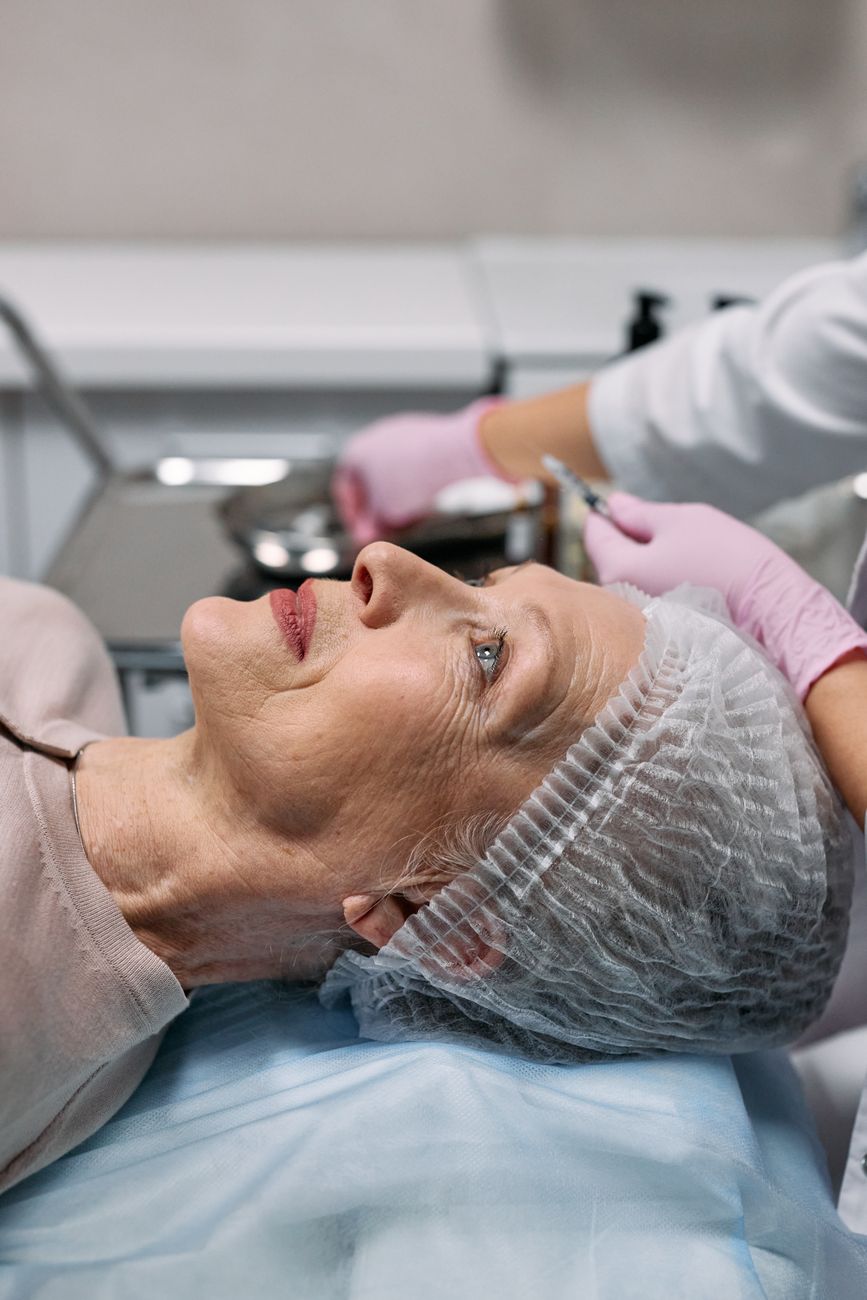
That relationship with aesthetics is changing.
A younger generation of patients is approaching aging much earlier and much more strategically. Instead of waiting for a dramatic concern to develop, they are building long-term relationships with skincare, lasers, injectables, collagen-stimulating treatments, energy devices, and, when the timing is right, surgery.
The distinction is important.
These patients are not necessarily asking:
“How can you make me look younger?”
Increasingly, they are asking:
“How can I age well?”
That shift from correction to preservation may be one of the most important changes occurring in modern aesthetic medicine.
At Dr. John Burns Plastic Surgery and JOLA Aesthetics in Dallas, the goal is to build individualized treatment strategies around the patient’s anatomy, skin quality, lifestyle, and stage of aging—not around a predetermined list of procedures. Dr. Burns’ practice encompasses facial rejuvenation, laser surgery, injectables, and surgical treatment, while JOLA provides physician-directed nonsurgical and skincare options.
Start Building Your Long-Term Aesthetic Plan
A personalized consultation can help determine what deserves treatment now, what can wait, and what may not need treatment at all.
OUR PHILOSOPHY
From Anti-Aging to Well-Aging
For years, anti-aging dominated the language of aesthetics.
The phrase implied that aging itself was something to fight, erase, or reverse.
That philosophy increasingly feels outdated to many younger patients.
They are not necessarily trying to eliminate every expression line. They do not want to freeze their faces or recreate a version of themselves from decades earlier. They are often more interested in preserving the features they already like and keeping their skin, facial proportions, and overall appearance healthy over time.
That is where well-aging becomes a more useful concept.
Well-aging does not deny the biological aging process. It accepts that change will happen and asks how that change can be managed intelligently.
The priorities become:
The difference in terminology may seem subtle, but the change in philosophy is significant.
It influences everything from skincare and Botox to lasers, radiofrequency treatments, filler, and facelift surgery.
Younger Patients Are No Longer Waiting for a Major Problem
Previous generations frequently approached aesthetic medicine reactively.
A wrinkle became deep enough to bother them.
The jawline softened.
The eyelids became heavy.
The neck became loose.
Only then did treatment begin.
Today, younger patients often want to understand their aging trajectory before a concern becomes advanced.
Instead of asking what needs to be fixed, the conversation may focus on:
This does not mean everyone should start aesthetic treatments earlier.
That would simply replace one form of overtreatment with another.
The more sophisticated principle is:
Start the right treatments at the right time.
Book a consultationSkin first
Skin Quality Is Becoming the Foundation
Healthy skin changes the way the entire face is perceived. Even without altering facial structure, improvements in tone, texture, pigmentation, hydration, and luminosity can make someone appear healthier and more rested.
Laser Skin Resurfacing in DallasA laser may improve pigmentation, but it does not replace daily sun protection. Resurfacing may refine texture, but it cannot substitute for a consistent home regimen. Botox may soften dynamic wrinkles, but it cannot reproduce the appearance of healthy, well-maintained skin.
Build a Plan Instead of Chasing Treatments
Aesthetic medicine works best when each treatment has a purpose. At JOLA Aesthetics and Dr. John Burns Plastic Surgery, treatment planning can incorporate skincare, lasers, injectables, skin tightening, and surgery according to what your anatomy actually needs.
The Well-Aging Philosophy
A Strategy, Not a Menu
Skin-first, coordinated care — not picking treatments from a menu.
01 / Preventative Botox
Preventative Botox is often misunderstood. The objective is not necessarily to completely eliminate facial movement at a young age. The goal of conservative neuromodulator treatment may be to reduce repetitive muscle activity in selected areas before expression lines become deeply etched into the skin.
Forehead lines
Frown lines
Crow’s feet
“Expression is normal.”
Starting earlier doesn’t mean using more Botox over a lifetime — treat only when needed.
02 / Collagen Preservation
Many of the aesthetic treatments attracting younger patients today share one central goal: encouraging or preserving collagen. Collagen gradually decreases with age, contributing to:
- Thinner skin
- Fine lines
- Reduced elasticity
- Early laxity
- Changes in facial contour
Treatments designed around collagen stimulation may include lasers, microneedling, radiofrequency, ultrasound-based technologies, and other energy-based procedures. At JOLA Aesthetics, XERF is one example of a current nonsurgical skin-tightening technology used for collagen stimulation and structural skin tightening. The practice describes XERF as a no-downtime radiofrequency treatment aimed at improving firmness and early laxity.
 XERF Skin Tightening in Dallas: 3-Month Update
The well-aging philosophy
A relationship, not a procedure
Three principles that guide how we approach aesthetic care over a lifetime.
1
The New Patient-Provider Relationship
Perhaps the largest change is not technological at all. It is relational. The well-aging patient views aesthetic care as an ongoing relationship — she wants someone who understands her baseline anatomy, facial proportions, previous treatments, how she responds to injectables, how her skin changes, what procedures she should avoid, when nonsurgical treatment has reached its limit, and when surgery actually becomes the better choice.
- Her baseline anatomy
- Her facial proportions
- Her previous treatments
- How she responds to injectables
- How her skin changes
- What procedures she should avoid
- When nonsurgical treatment has reached its limit
- When surgery actually becomes the better choice
The provider's role becomes more than procedural — it becomes advisory. A good long-term relationship should sometimes lead to the recommendation: "Not yet." Or even: "You don't need that." That restraint matters because early treatment can be extremely beneficial when correctly chosen — but cumulative overtreatment can be equally damaging.
2
Avoiding the Overfilled Face
The rise of preventative aesthetics has created a paradox: patients want to begin earlier to remain natural, but earlier treatment creates more years in which unnecessary intervention can accumulate. Filler can restore proportion when appropriately used — but continually adding volume to a young face can eventually distort the proportions patients were trying to preserve.
- Using less filler
- Waiting longer between treatments
- Choosing fat transfer later when appropriate
- Prioritizing skin quality
- Treating laxity rather than disguising it with volume
- Allowing normal anatomy to remain normal
Subtle aesthetics requires judgment more than product.
3
Why Subtle Does Not Mean Passive
A subtle result is often technically more demanding than an obvious one. Natural rejuvenation requires understanding anatomy, aging patterns, skin quality, facial balance, muscle dynamics, volume distribution, tissue laxity, and the long-term consequences of treatment.
- Conservative Botox for developing expression lines
- Laser treatment for pigmentation
- Treatment of acne scarring before it becomes a lifelong concern
- Radiofrequency for early laxity
- Medical-grade skincare
- Collagen-supportive treatments
- Avoidance of unnecessary filler
Small interventions can have a meaningful effect when they target the correct issue.
The ideal outcome should not look like a collection of aesthetic procedures. It should look like the patient has simply continued to age exceptionally well.
Book a consultationWELL-AGING
Surgery Still Has an Important Role in Well-Aging
Preventative aesthetics doesn't make surgery obsolete — it makes the timing more thoughtful.
Explore Facelift Surgery with Dr. John Burns01
Structural aging needs structural solutions
Lasers, Botox, filler, radiofrequency, and skincare cannot physically reposition significantly descended tissues or remove substantial excess skin. Eventually, structural aging may require a structural solution.
Facelift · Neck lift · Blepharoplasty · Brow lift · Facial fat transfer
02
Evaluate earlier, intervene appropriately
The principle is not “operate earlier.” The principle is “evaluate earlier and intervene appropriately.” For one patient, that may mean nothing more than sunscreen and skincare. Another may benefit from conservative Botox or resurfacing.
Chronological age alone does not determine candidacy. Anatomy does.
03
Eyelid rejuvenation often enters earlier
Genetic upper-eyelid hooding, under-eye bags, and early brow descent may create a tired appearance even in relatively young adults. For the right patient, blepharoplasty can address actual structural anatomy rather than repeatedly trying to camouflage it with nonsurgical treatments.
Dr. Burns is specifically known for facial rejuvenation procedures including blepharoplasty and facelift surgery.
04
Preservation over transformation
Today’s younger patients grew up during an era when cosmetic treatment became highly visible — overfilled cheeks, excessively projected lips, frozen foreheads, dramatically pulled facelifts, extreme contour trends, social-media-driven procedures, and rapidly changing beauty standards.
Many have responded by moving in the opposite direction. They want to look healthy, rested, polished, natural, recognizable, like themselves. The goal is increasingly preservation rather than transformation.
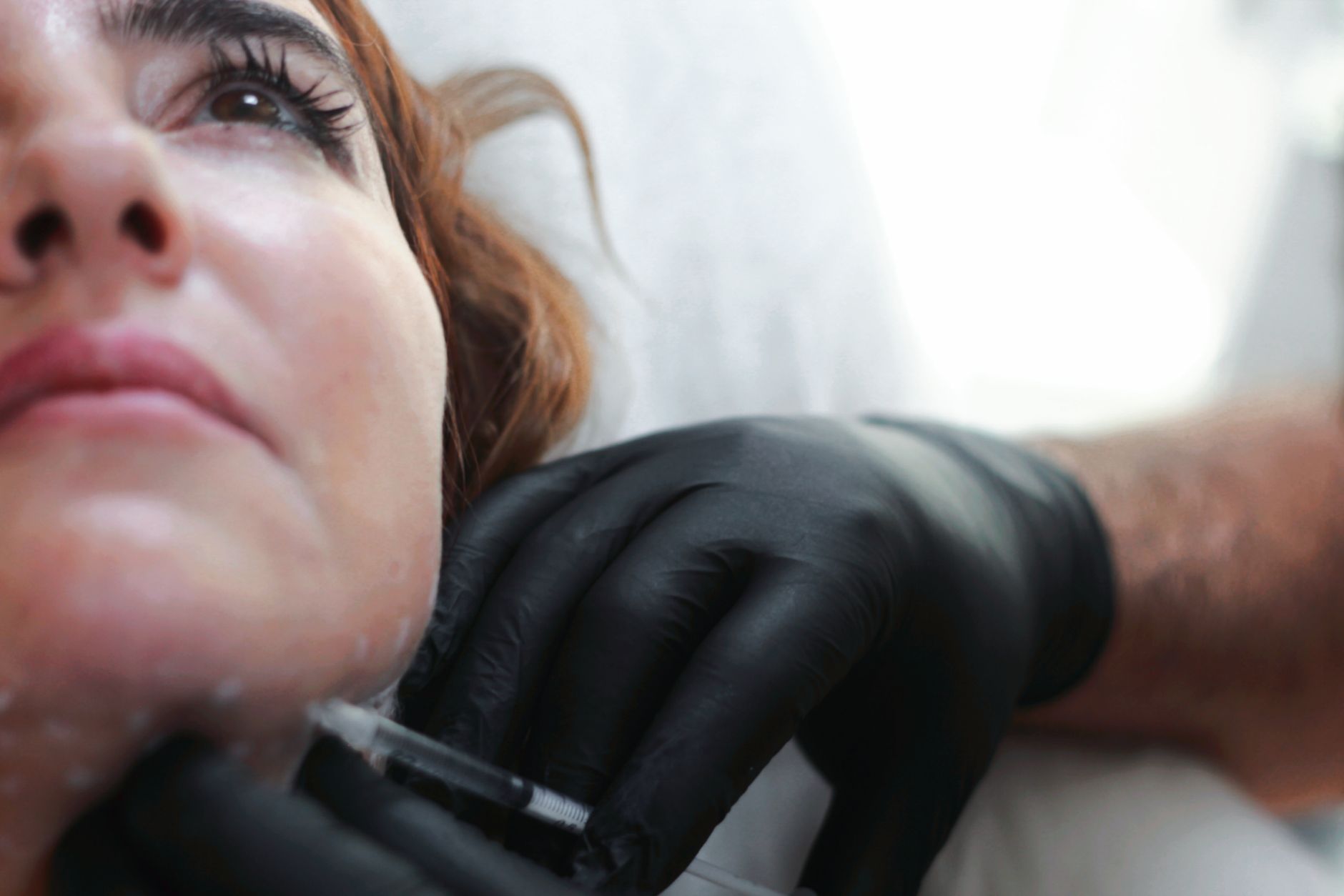 Explore Facelift Surgery with Dr. John Burns
Well-Aging Philosophy
Well-Aging Is Not Just About the Face
The same shift is happening in breast and body aesthetics. Patients increasingly think about how their bodies will change over time — and how to plan for it thoughtfully.
Do not simply chase a trend. Understand how the tissue will age. Plan for the long term.
The Future of Aesthetic Medicine Is Long-Term
The future of aesthetics is probably not about doing more. It is about making better decisions.
01
Protect & maintain
Protecting the skin early and maintaining collagen.
02
Treat conservatively
Using injectables conservatively and avoiding unnecessary facial volume.
03
Correct at the right time
Correcting structural problems when they emerge and choosing surgery at the appropriate time.
04
Maintain results
Maintaining results after treatment and supporting healthy skin at home.
Thinking in decades, not trends.
Book a consultationFrequently Asked Questions About Well-Aging
Straight answers about slowing aging, staying natural, and knowing when treatment is right.
Book a consultationBuild a Smarter Long-Term Aesthetic Plan
Schedule a Well-Aging Consultation in Dallas
A long-term aesthetic plan should be as individualized as the patient.
The goal is not to prescribe the largest number of treatments. It is to build a strategy that makes sense now—and continues to make sense as you age.
John L. Burns Jr., MD, FACS
Board-Certified Plastic Surgeon
Dallas, Texas
25+ Years of Experience
At Dr. John Burns Plastic Surgery and JOLA Aesthetics, consultation may include discussion of:
Medical-grade skincare
Sun protection
Botox and other neuromodulators
Dermal filler
Laser resurfacing
XERF skin tightening
Collagen-stimulating treatments
Facial fat transfer
Blepharoplasty
Facelift
Neck lift
Other facial, breast, and body procedures when appropriate